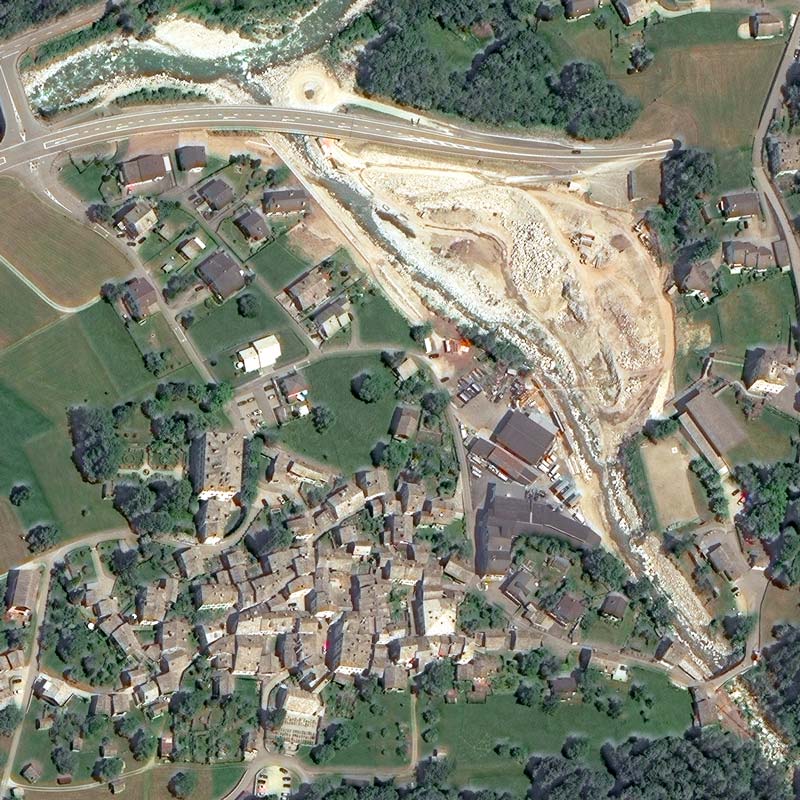
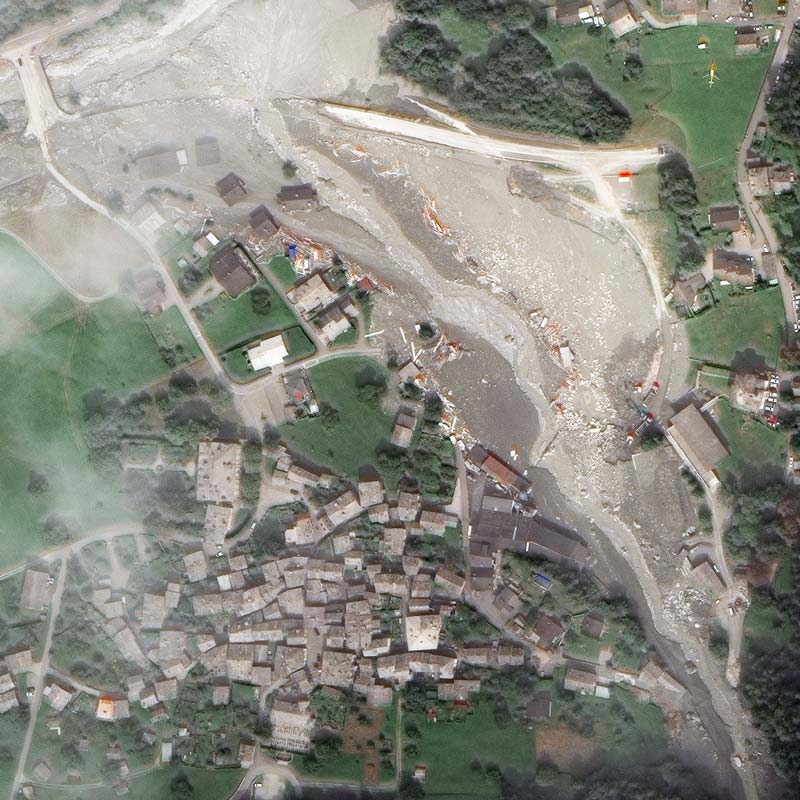
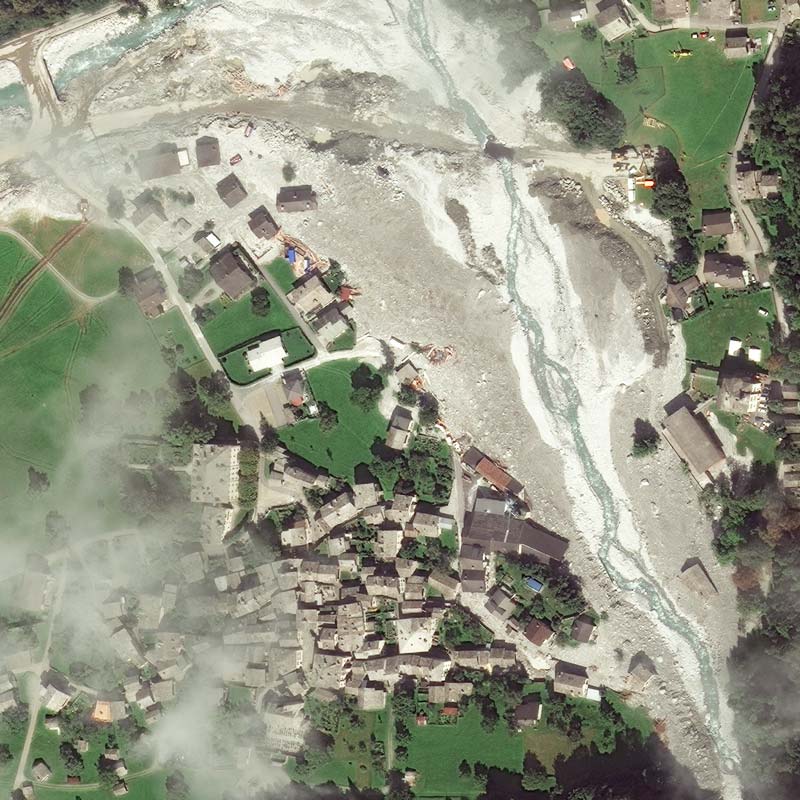

GEOSeries: Turning Satellite Data into Actionable Intelligence for Critical Energy Infrastructure
See how satellite imagery can make critical infrastructure monitoring more frequent, targeted and efficient. Monitoring hundreds or thousands of kilometres of pipelines, power lines and other critical infrastructure traditionally requires extensive field inspections, vehicle patrols or aerial surveys. Satellite-based monitoring offers a different approach: regularly analysing large networks, identifying potential risks and directing teams to the locations that require attention.
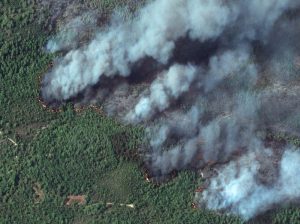
Gallery: Wildfires Across Europe in August 2026
The first week of August brought heatwaves, droughts, and wildfires. Here are satellite images showing the destruction.
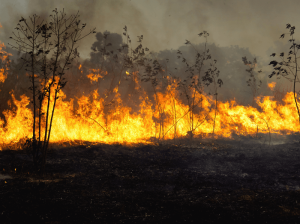
VHR Satellite Images for Wildfire Monitoring
High temperatures are breaking records, vegetation is drying up, and catastrophic wildfires are raging across Europe. Emergency responders are already turning to satellite imagery for fire monitoring and damage analysis – but few know its full potential. Near Real-Time (NRT) capabilities deliver critical images just 15 minutes after collection. Intraday imaging captures a fire as it develops throughout the day. And 8-band multispectral imagery lets responders see through haze, light fog, and other atmospheric conditions – including wildfire smoke itself.
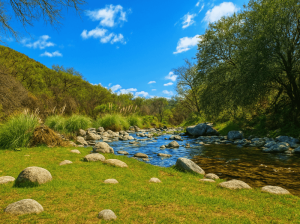
Earth Observation Turns Ecological Targets into Measurable Outcomes: How Satellite Imagery Supports Compliance with Europe’s Nature Restoration Regulation
The EU’s Nature Restoration Regulation (NRR) entered into force in 2024 and set legally binding targets to restore degraded ecosystems across Europe. With National Restoration Plans due in September 2026, Member States face an urgent question: how do you map, plan and monitor restoration across millions of hectares in a consistent, verifiable way? Earth Observation (EO) – and Very High Resolution (VHR) multispectral satellite imagery in particular – is increasingly the answer.