
Satellite Imagery For

Research
& Education

research-2

supporting innovation with the highest quality data

Explore the Past

Browse our archive with billions of square km dating back to 1999

Identify Materials

Locate and classify man-made materials and geologic minerals on Earth’s Surface

Detect Small Objects

See road markings, structural details, animals and individual plants

European Space Imaging offers satellite image data of unmatched resolution and quality. Make sure you are using the best data for your study, so that you get the best results possible. See more than you ever imagined.

Need imagery on a low budget?

We offer an up to 80% discount to qualified projects from academic and research institutes

Detailed Analysis

Very high resolution satellite imagery is clear enough to show road lines, sidewalks, vehicles, small structures and even people. This allows for precise analytics for city development. It is ideal for:

  • Studying Traffic Patterns
  • Monitoring Animal Herds
  • Small Feature Identification
  • Verifying Property Lines
  • Mapping Road Features
  • Precise Calculations

Historical Archive

We have been collecting satellite imagery since 1999, during which time we have amassed an invaluable library documenting changes on the Earth’s surface for the past twenty years. Analysis of this data can yield valuable insights into how the Earth has changed, and how it is likely to change next. Here are some examples of what this archive is being used for:

  • Environment monitoring
  • Global warming impact assessments
  • Urban development monitoring
  • Soil losses monitoring
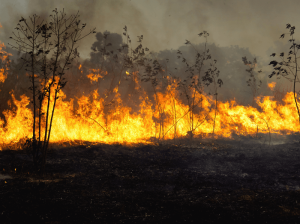
  • Disaster impact monitoring
  • Forest fire and crime prediction software
  • Automated counting of objects such as cars, shipping containers, and houses
  • Monitoring present and historical change of glaciers, dams, and rivers
  • Detecting illegal activity such as logging and oil spills

Learn More About

MATERIAL IDENTIFICATION

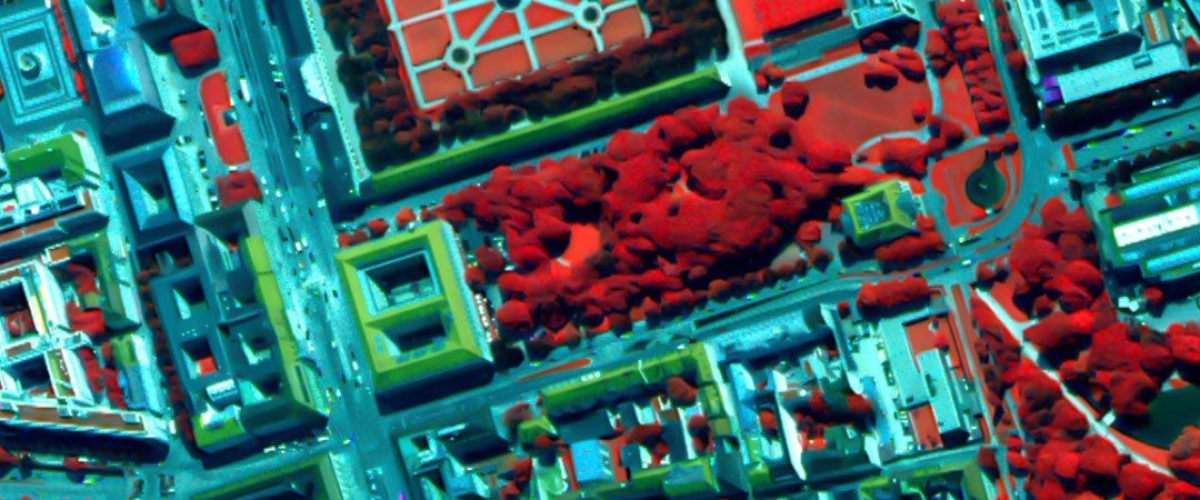
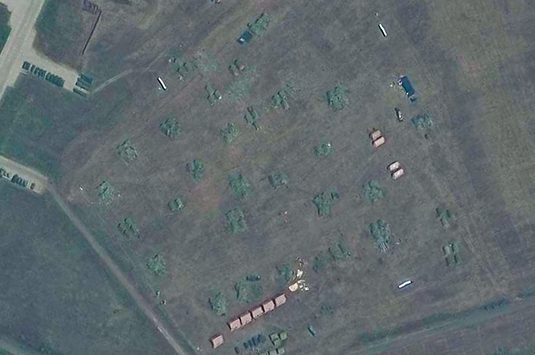
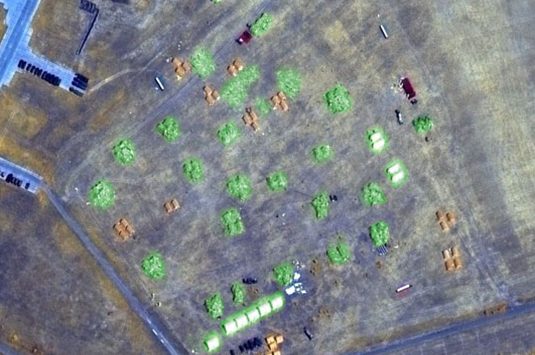
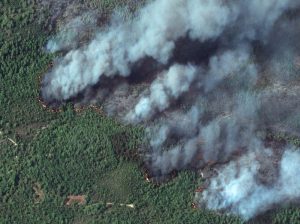
We have access to hundreds of multispectral and hyperspectral band combinations – allowing you to see more of what is actually happening on the ground. Multispectral imagery can assist in building inspection, synthetic material identification, vegetation health analysis and water depth assessment. Short-wave infrared (SWIR) imagery can even see through smoke, detect heat and identify geological minerals.

Everyday innovative discoveries are being made by leveraging the power of multispectral bands.

Chinese-camp-true-colorChinese-camp-false-color

Learn More About

Download the Latest Edition of INCITE

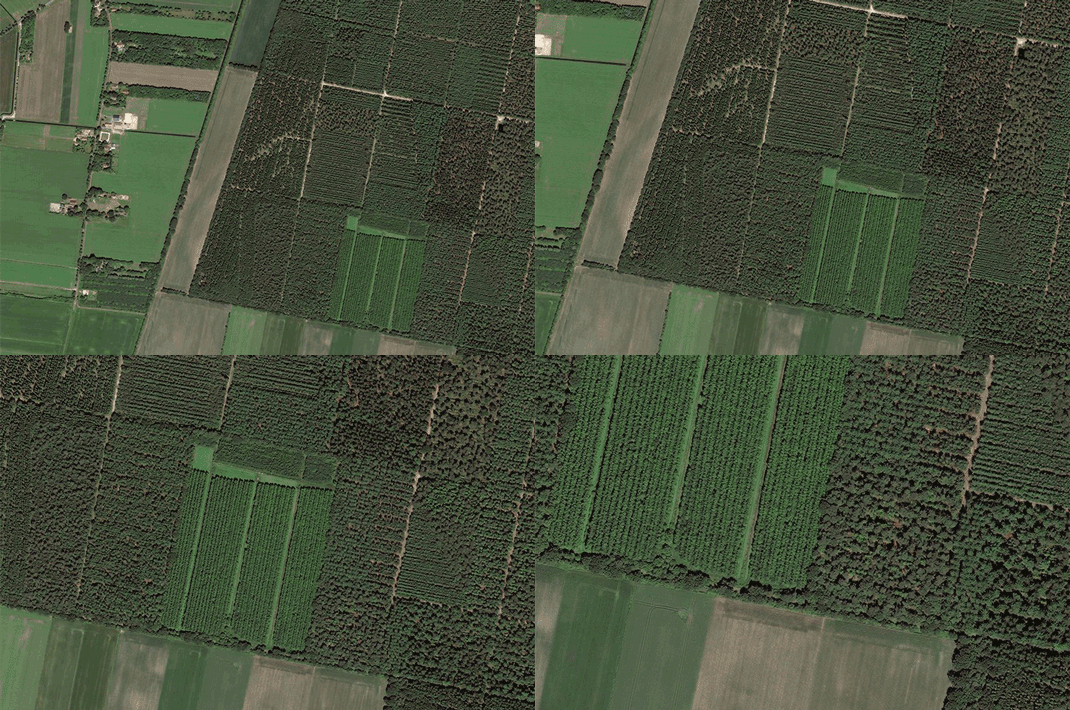
Seeing Through the Trees: Monitoring Agriculture and Forestry Using Satellite Imagery

The definitive guide to acquiring and using satellite imagery to innovate the agriculture industry.

Nature Restoration

Earth Observation Turns Ecological Targets into Measurable Outcomes: How Satellite Imagery Supports Compliance with Europe’s Nature Restoration Regulation

The EU’s Nature Restoration Regulation (NRR) entered into force in 2024 and set legally binding targets to restore degraded ecosystems across Europe. With National Restoration Plans due in September 2026, Member States face an urgent question: how do you map, plan and monitor restoration across millions of hectares in a consistent, verifiable way? Earth Observation (EO) – and Very High Resolution (VHR) multispectral satellite imagery in particular – is increasingly the answer.

Read More »
satellite antenna

EUSI Upgrades German Ground Segment to Enable Europe’s Fastest Request-to-Receive Satellite Intelligence via Secure Web and API Platform for Defence and Emergency Agencies

European Space Imaging (EUSI) announced a major upgrade of its satellite ground segment and cloud infrastructure, further accelerating its industry-leading satellite tasking and intelligence delivery capabilities through the secure ATOM™ web and API platform. The platform, in combination with EUSI’s Rapid Satellite Intelligence (RSINT) program, enables satellite tasking up to 30 minutes before image acquisition and delivery of imagery within 15 minutes of collection.

Read More »
Ship in Arctic waters

Maritime Domain Awareness in European Arctic Regions With VHR Satellite Intelligence 

With the Arctic warming nearly four times faster than the average, the ice in the High North is melting and the sea is becoming increasingly navigable. In 2025 alone, 1812 vessels entered the Arctic Polar Code area, which is a 40% increase since 2013 when data collection began. While this rise in traffic presents potential commercial opportunities, more vessels also mean more risks to people and resources.

Read More »

Discover
What's

NEW