

february, 2026

In the fast-moving operational environments of security monitoring and emergency response, the value of satellite data is defined by when it arrives, not just its resolution or accuracy. This webinar
more
In the fast-moving operational environments of security monitoring and emergency response, the value of satellite data is defined by when it arrives, not just its resolution or accuracy. This webinar explores how Dynamic Tasking enables users to actionable data fast and operate within mission decision windows.
European Space Imaging (EUSI) will demonstrate how teams can task satellites in real time through the ATOM web and API platform. Users can assess feasibility in seconds and place collection requests up to 30 minutes before satellite pass, maintaining control even as situations evolve.
With imagery delivered within 15 minutes of acquisition and up to 15 intra-day collection opportunities across optical and SAR sensors, participants will learn how continuous oversight can be maintained throughout the day and night, while events are still unfolding.
EUSI will be joined in the webinar by Vantor, who will demonstrate how minimal latency can be maintained worldwide for mission-critical insights, as well as by an operational end user who will share a real-world use case applying these rapid intelligence capabilities.
This session is designed for GEOINT professionals, emergency response coordinators, and operational decision-makers who need satellite intelligence that aligns with real-world timelines.
(Wednesday) 3:00 pm - 4:00 pm

Come visit us at booth #10—we look forward to seeing you there!
february 23 (Monday) - 25 (Wednesday)
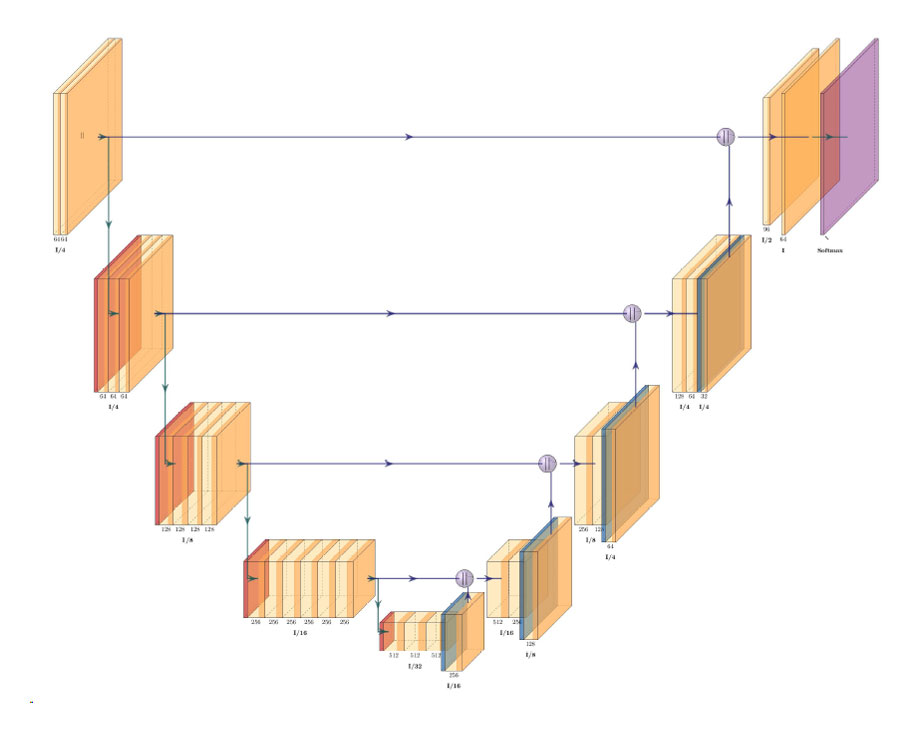
UNet architecture for semantic segmentation with ResNet34 as encoder or feature extraction part. ResNet34 is used as an encoder or feature extractor in the contracting path and the corresponding symmetric expanding path predicts the dense segmentation output.
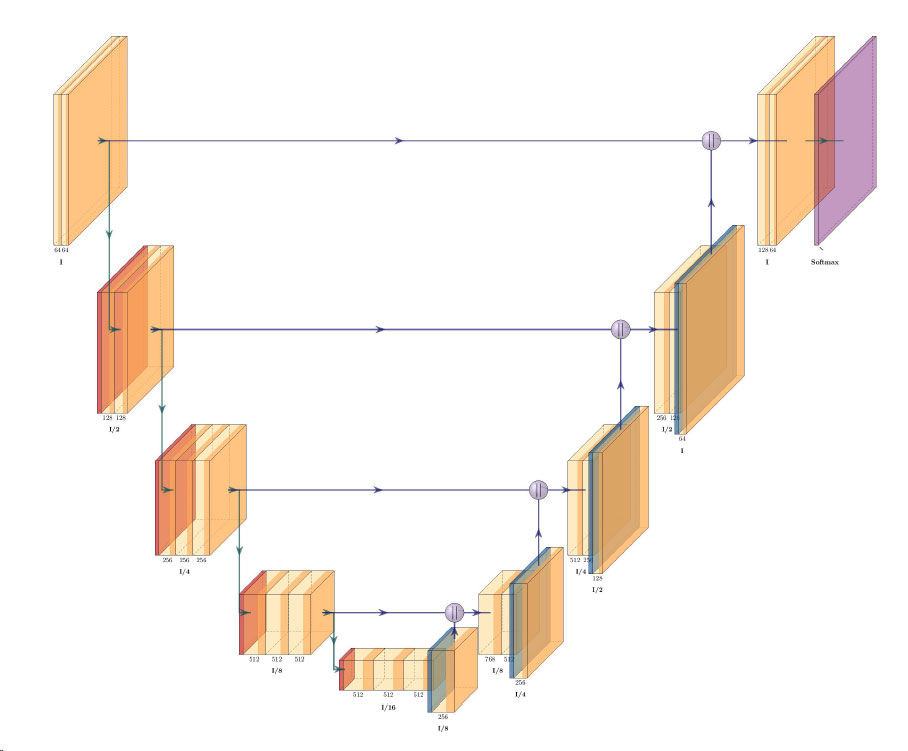
UNet architecture for semantic segmentation with VGG16 as the encoder or feature extractor. VGG16 is used as an encoder or feature extractor in the contracting path and the corresponding symmetric expanding path predicts the dense segmentation output.
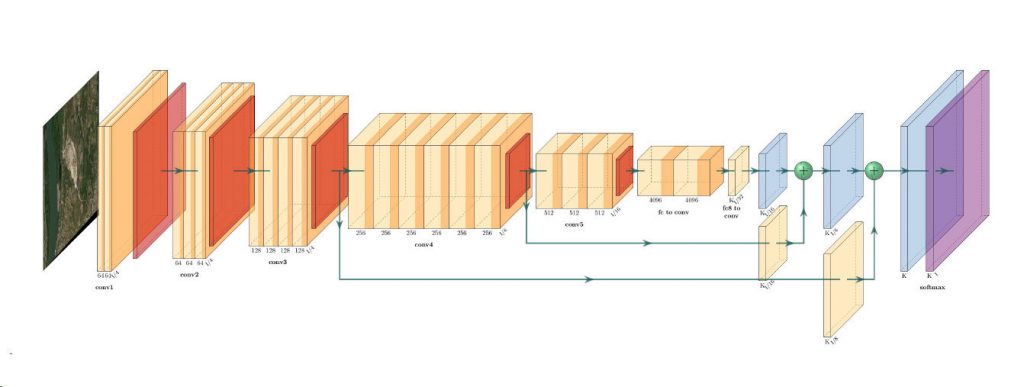
In this model, ResNet34 is used for feature extraction and the FCN operation remains as is. The feature of ResNet architecture is exploited where just like VGG, as the number of filters double, the feature map size gets halved. This gives a similarity to VGG and ResNet architecture while supporting deeper architecture and addressing the issue of vanishing gradients while also being faster. The fully connected layer at the output of ResNet34 is not used and instead converted to fully convolutional layer by means of 1×1 convolution.
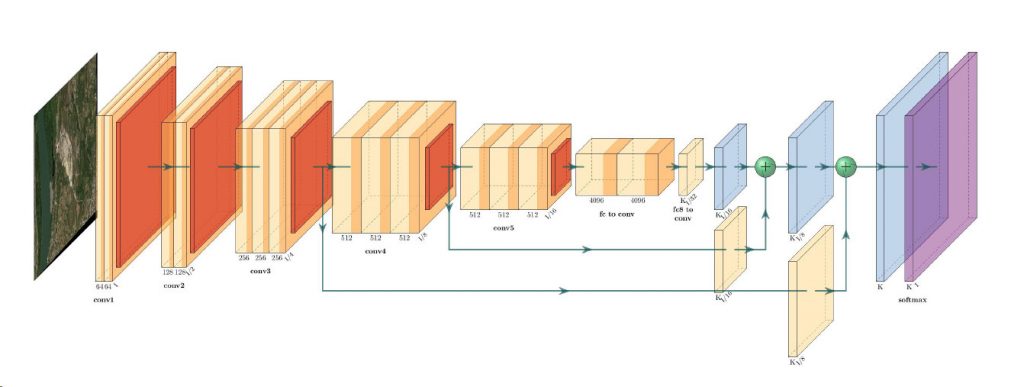
In this model, VGG16 is used for feature extraction which also performs the function of an encoder. The fully connected layer of the VGG16 is not used and instead converted to fully convolutional layer by means of 1×1 convolution.